Most people watch the truck pull away and that is the end of it. Fair enough — that is what you paid for.
But the job does not end there, and what happens next is the part that separates one hauler from another. A load is not one thing. It is furniture, metal, cardboard, electronics, yard waste and a small amount of genuine trash, and every one of those goes somewhere different.
Here is what actually happens after we drive off.
The Load Gets Sorted — Just Not by You
The whole point of hiring someone is that you do not stand in your garage deciding what is recyclable.
So we sort on our end. Metal comes out, cardboard comes out, electronics come out, anything still usable gets set aside before the rest is weighed in. It is slower for us than backing up to a hole and tipping, which is exactly why not everyone does it.
If a hauler cannot tell you where a load goes, it is going to the cheapest place that will take it.
Usable Things Go to a Reuse Partner First
A surprising share of what we pick up is not broken. It is just unwanted.
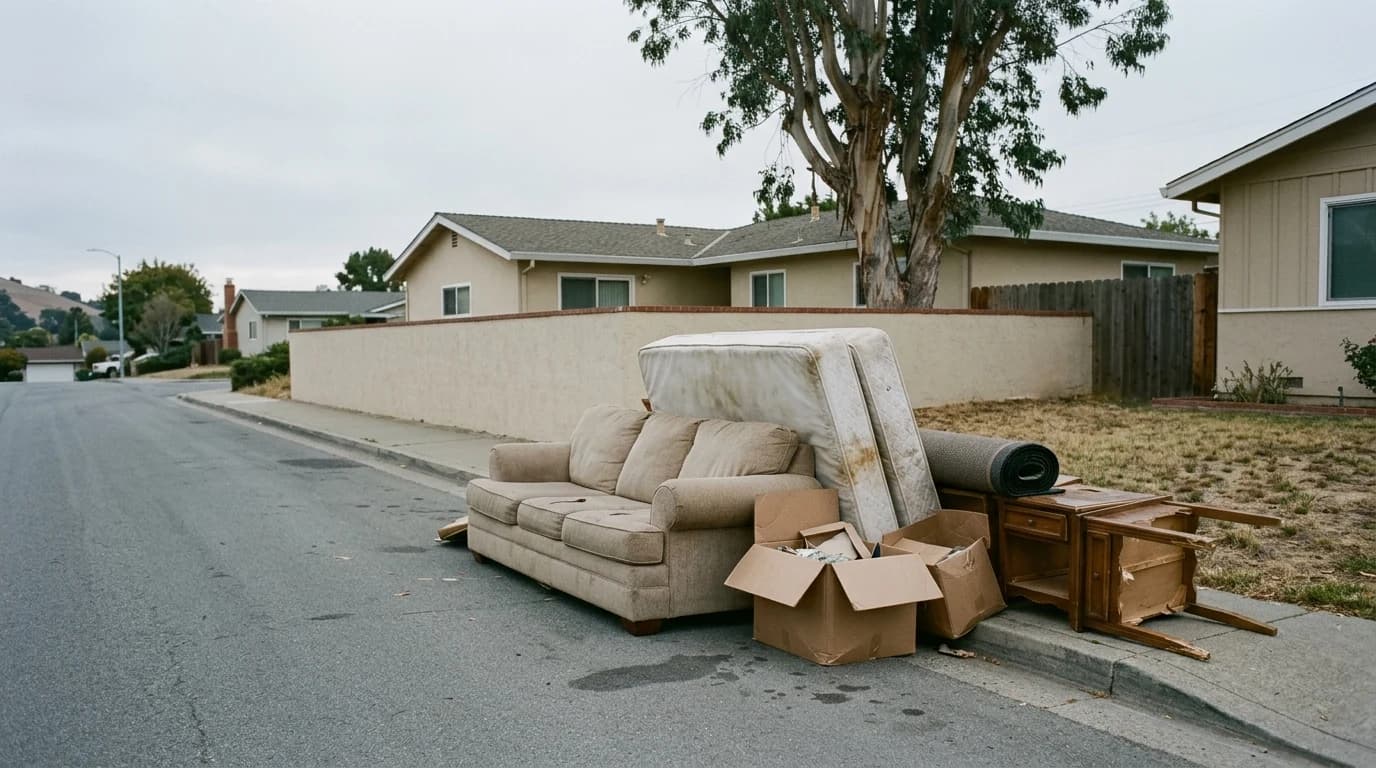
Couches people redecorated around. Dressers from a move that did not fit the new place. Bikes, tools, working appliances, patio furniture that lived under a cover. Those do not need recycling — they need a second owner, and that is the first place we try.
Nothing about this is charity theatre. Reuse is genuinely the best outcome available: it takes the least energy, it keeps a working object working, and it costs less than disposal. When something can be reused, it should be.
Metal and E-Waste Have Their Own Routes
Metal is straightforward — it has real recycling value and a well-established path, so it comes off the truck early.
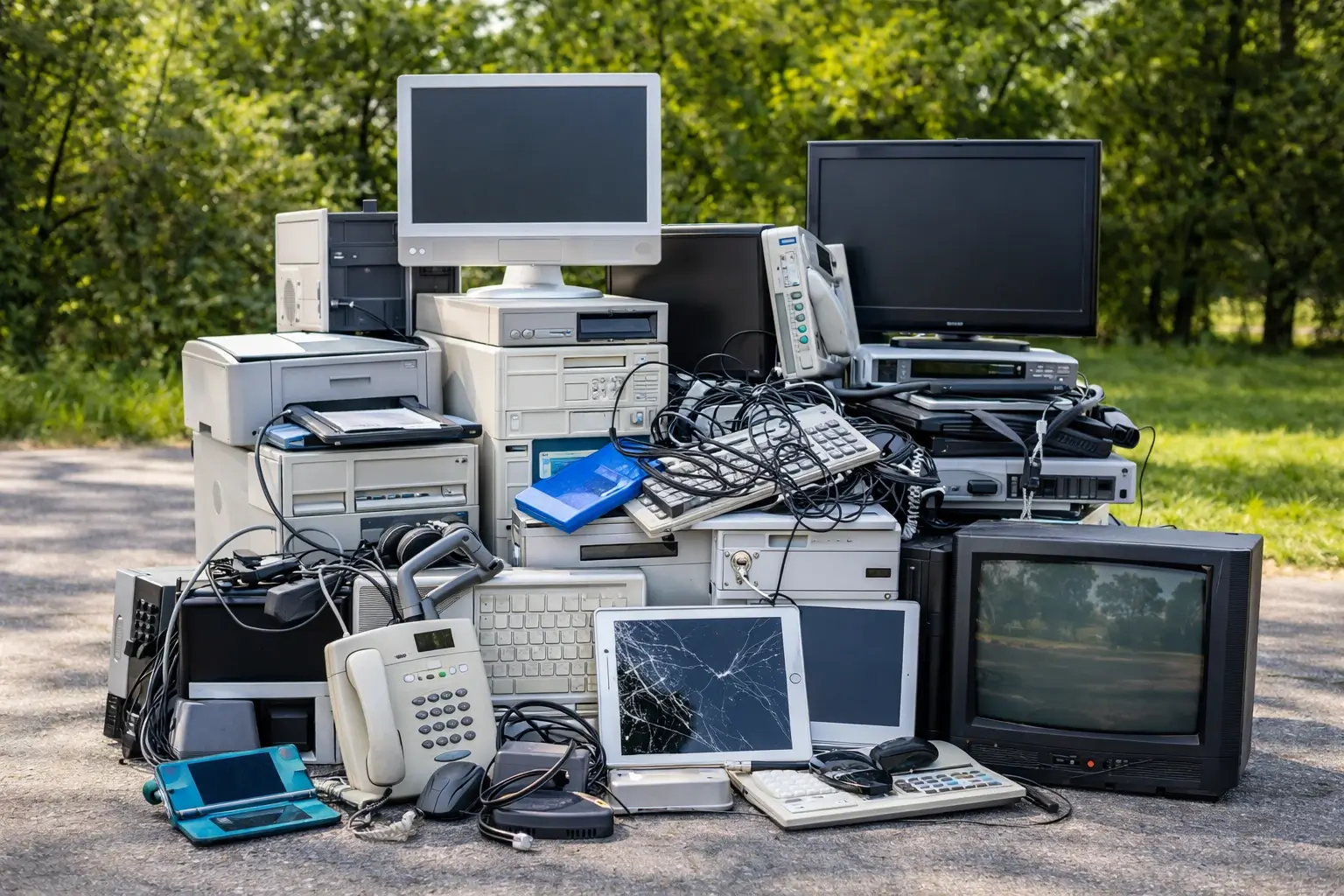
Electronics are the ones people get wrong most often. Old TVs, monitors, printers and computers are not household trash in California, and putting them in a bin is not just bad practice, it is not allowed. They have a separate handling route, and that is where they go. If you are holding on to a stack of dead electronics because you were not sure what to do with them, that is genuinely one of the easier things on this list for us to take.
Yard Waste and Clean Wood Are Compostable or Chippable
Branches, brush, clippings and untreated wood are organic material, and the Bay Area has real infrastructure for them.
The catch is contamination. A yard waste load with a bag of household trash in the middle of it stops being yard waste and becomes mixed waste, which changes where it can go entirely. That is one reason we sort rather than just loading everything into one pile and hoping.
What Genuinely Has to Be Thrown Away
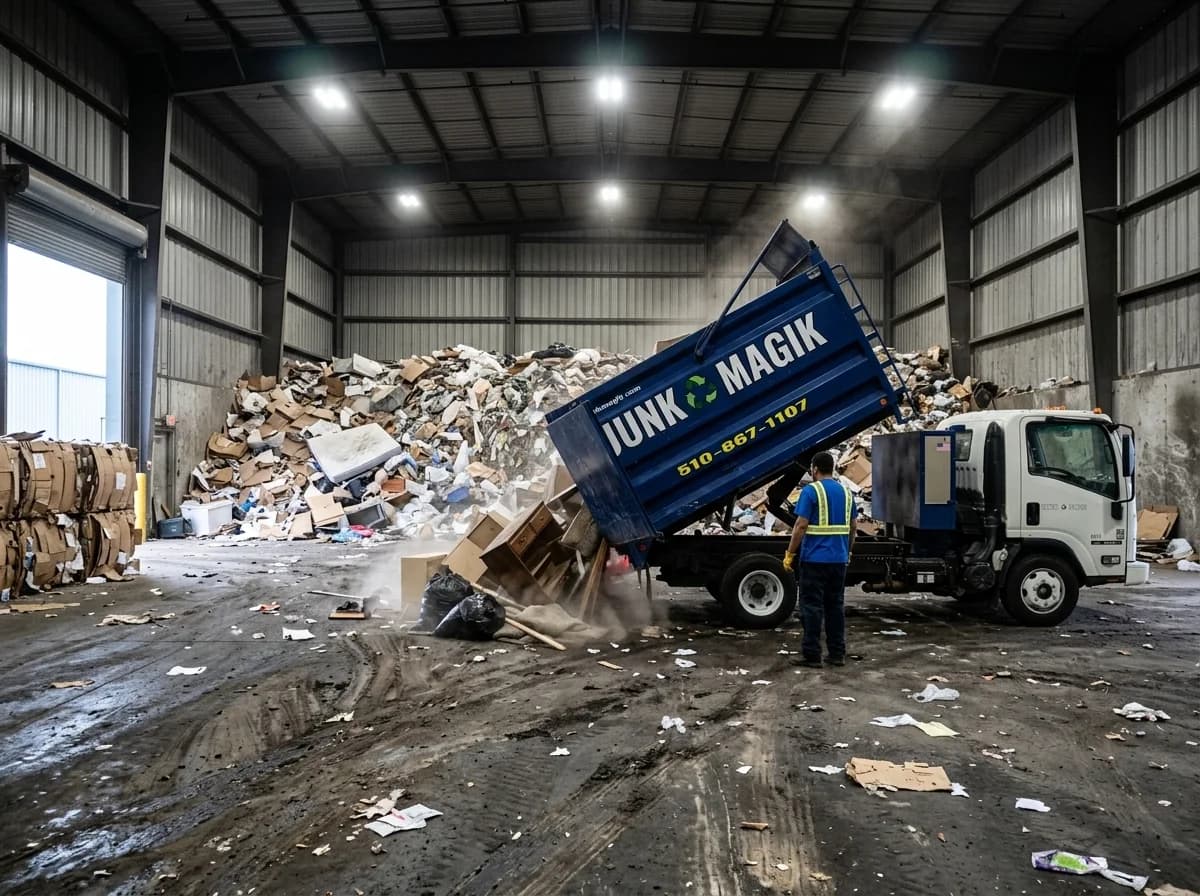
Some of it does end up at the transfer station, and pretending otherwise would be nonsense.
Broken particle-board furniture, soiled carpet and padding, treated or painted lumber, and mixed debris that cannot be separated out — that is the residual portion of a load, and it goes where residual waste goes. The goal is not zero. The goal is that the pile going to landfill is the part that had nowhere better to be, not the part that was inconvenient to sort.
What We Cannot Take
Worth knowing before you book, because it is the most common surprise:
- Hazardous chemicals, fuels and solvents
- Asbestos, or anything suspected of containing it
- Medical, biohazard and sharps waste
- Ammunition, fireworks and explosives
- Anything sealed under pressure
None of this is us being difficult. These have separate legal handling requirements, and every Bay Area county runs a household hazardous waste drop-off that takes most of it free from residents. Tell us what you have and we will point you at the right one.
Why Any of This Matters to You
Two reasons, and neither is sentimental.
The first is that sorting affects what a job costs to complete, which is part of why we price by the space a load takes in the truck rather than by the hour. A well-sorted load is a cheaper load to handle.
The second is that you are the one whose name is on the property. If a load gets dumped somewhere it should not be, that is a problem that can follow the address, not the truck. Working with someone who can tell you where things went is worth more than saving a few dollars with someone who cannot.
If you have a pile and you are not sure what is in it, that is normal — most people do not. Tell us roughly what you are looking at and we will give you an estimate before anyone lifts anything. We cover the East Bay, Tri-Valley, Peninsula, South Bay and beyond.
Written by Junk Magik
All guides